
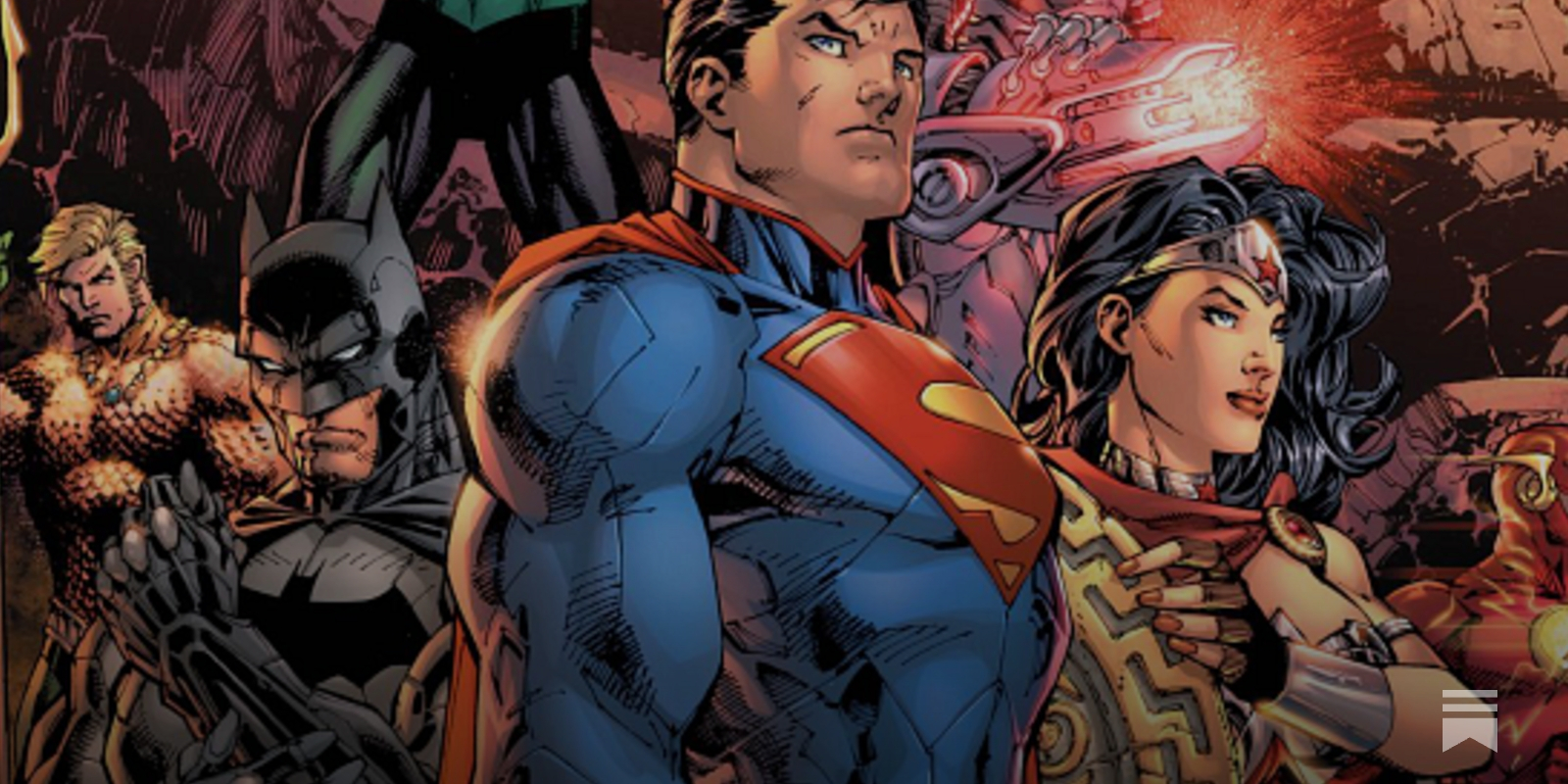
[#item_full_content] [[{“value”:”The 2020s are proving to be an exciting time to be a DC Comics fan. Between the DC Studios projects James Gunn and Peter Safran are overseeing and the overwhelming success of the Absolute line, DC is enjoying one hell of a renaissance. It’s almost enough to make people forget the darker chapter of the 2010s – a time when Zack Snyder attempted to build a Watchmen-style DC cinematic universe and when the publisher (under the leadership of Dan DiDio and Jim Lee) attempted a Crisis on Infinite Earths-style reboot for its mainline comics with The New 52.
Ironically, what stands out about DC’s more recent successes is that the very thing that the Snyderverse and New 52 were harshly criticised for is what’s contributing to the success of the Absolute Universe in particular. In the case of the Snyderverse, critics and fans felt Snyder’s vision was too dark for the characters he was working with, especially Superman. In contrast with David Corenswet’s Superman, who embodies the hope and optimism of the comic book character, Henry Cavill’s Man of Steel was a reluctant hero who was willing to kill. On top of that, Ben Affleck’s iteration of the Dark Knight was cast in a more villainous light in Batman v Superman: Dawn of Justice and was also shown being willing to kill. None of Snyder’s interpretations of these heroes resonated with professional movie critics or audience members.
Similar complaints were made about The New 52 in its brief publication history. Like Snyder’s Superman, The New 52 iteration was no Man of Tomorrow and was wholly unlikeable. Likewise, Wonder Woman was rebooted in a way that conceptually rejected her feminist roots. Batman and Green Lantern were largely unchanged in The New 52 era, but Batman in particular lost Cassandra Cain as his adoptive daughter, and Stephanie Brown was similarly erased. Although Batman got the Huntress back as his Earth-2 daughter during this time, this also resulted in the temporary erasure of Helena Bertinelli, who by 2011 had become a fan-favourite antihero.
[
](https://dianedarcy.substack.com/p/dc-universe-rebirth-10-year-anniversary)
[
DC Universe Rebirth 10 Years Later: Was It Worth It? A Postmortem
](https://dianedarcy.substack.com/p/dc-universe-rebirth-10-year-anniversary)
Diane Darcy
·
Apr 26
[
Read full story
](https://dianedarcy.substack.com/p/dc-universe-rebirth-10-year-anniversary)
In addition to characters being reimagined in ways that rendered them unrecognisable during The New 52, many female characters were subjected to erasure and misogynistic tropes in the stories themselves. This era was also event-heavy, with many of the events being extremely dark. Fast forward to 2026, and the still nascent Absolute Universe is a dark place that radically reimagines DC’s heroes as underdogs and its villains as the most powerful people on Earth. In this universe, the villains are the status quo and not the heroes. So why is this conceptually dark universe selling better than the equally dark world of The New 52 or even the Snyderverse?
One easily identifiable difference is that the Absolute Universe was more carefully planned and executed. The same was not true of The New 52 or the Snyderverse, both of which were developed on the fly and were heavily micromanaged by Warner Bros. executives who didn’t really understand the DC brand. The other thing working in the Absolute Universe’s favour is that there is more diverse talent involved at both the creative and editorial levels. These talents also understand the characters they are working with and are thus able to subvert fan expectations without rendering the characters unrecognisable.
If the problem with The New 52 was a disorganised mess of a reboot, a lack of diverse voices informing creative decisions, and a profound misunderstanding of the DC brand to the point of perpetuating harmful stereotypes, could addressing these core issues on the outset have allowed the initiative to succeed? To answer that, we must further dissect how and why they contributed to The New 52’s failure.”}]] 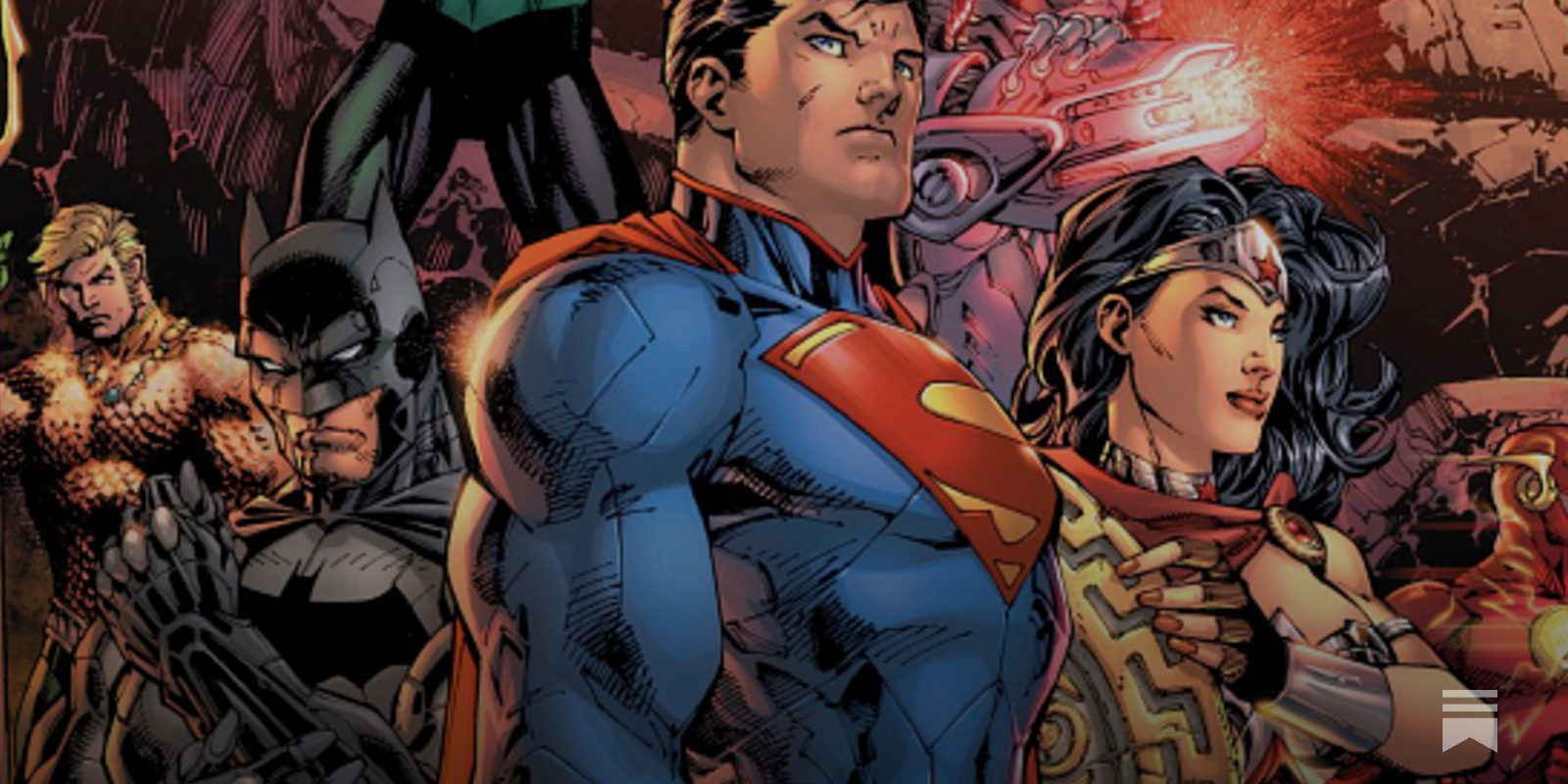 Read More