[#item_full_content] [[{“value”:”Kara Zor-El, aka Supergirl, has a feature film for the first time in over 30 years. Whilst the 1984 Supergirl film starring Helen Slater has mixed reception due to its troubled production, it’s still a pretty big deal that the movie got made at all. Whilst Slater later maximised her legacy as the original Girl of Steel by playing Eliza Danvers in the 2015 Supergirl TV series (starring Melissa Benoist in the titular role), the character herself still had trouble taking off on the big screen.
Prior to James Gunn and Peter Safran taking over and restructuring DC Studios from Zack Snyder, Supergirl was originally supposed to get her own film during Snyder’s era. Sasha Calle was originally cast in the role and made her cinematic debut in the 2023 film, The Flash. Unfortunately, The Flash was another troubled production due to the revolving door of directors, controversies surrounding its lead actor, Ezra Miller, and a falling out between Snyder and various Warner Bros. executives.
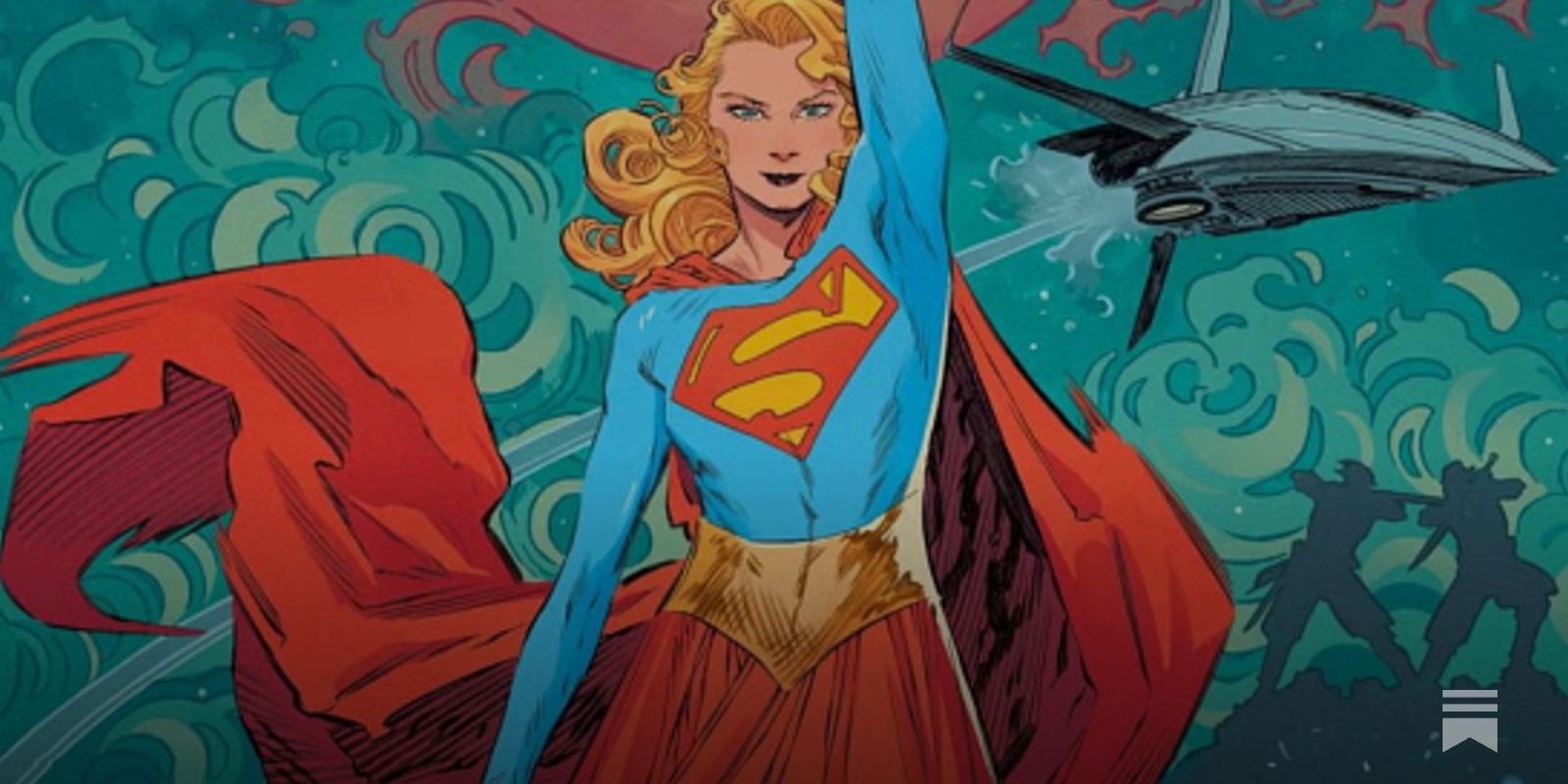
These issues not only resulted in delays in the film’s release schedule but also multiple script rewrites. Although Calle’s Supergirl got to appear on the big screen, plans for her own movie were ultimately cancelled. This was due to Warner Bros. Discovery CEO David Zaslav choosing to reboot the entire DC film and television franchise from the ground up. This included recasting the role with House of the Dragon’s Milly Alcock and developing a new Supergirl film that adapted Tom King’s and Bilquis Evely’s critically acclaimed miniseries, Supergirl: Woman of Tomorrow.
Whilst the new film has generated high sales for Woman of Tomorrow and has seen the release of a deluxe edition, there is debate amongst Supergirl fans over whether or not this was the right comic to adapt for reintroducing the Girl of Steel to the general public. Whilst there are solid arguments to be made about Woman of Tomorrow being good source material to adapt into film (like easy accessibility, gorgeous artwork, and unconventional storytelling), there are also valid criticisms against it – namely, when it comes to how the titular heroine is depicted on the page.”}]] 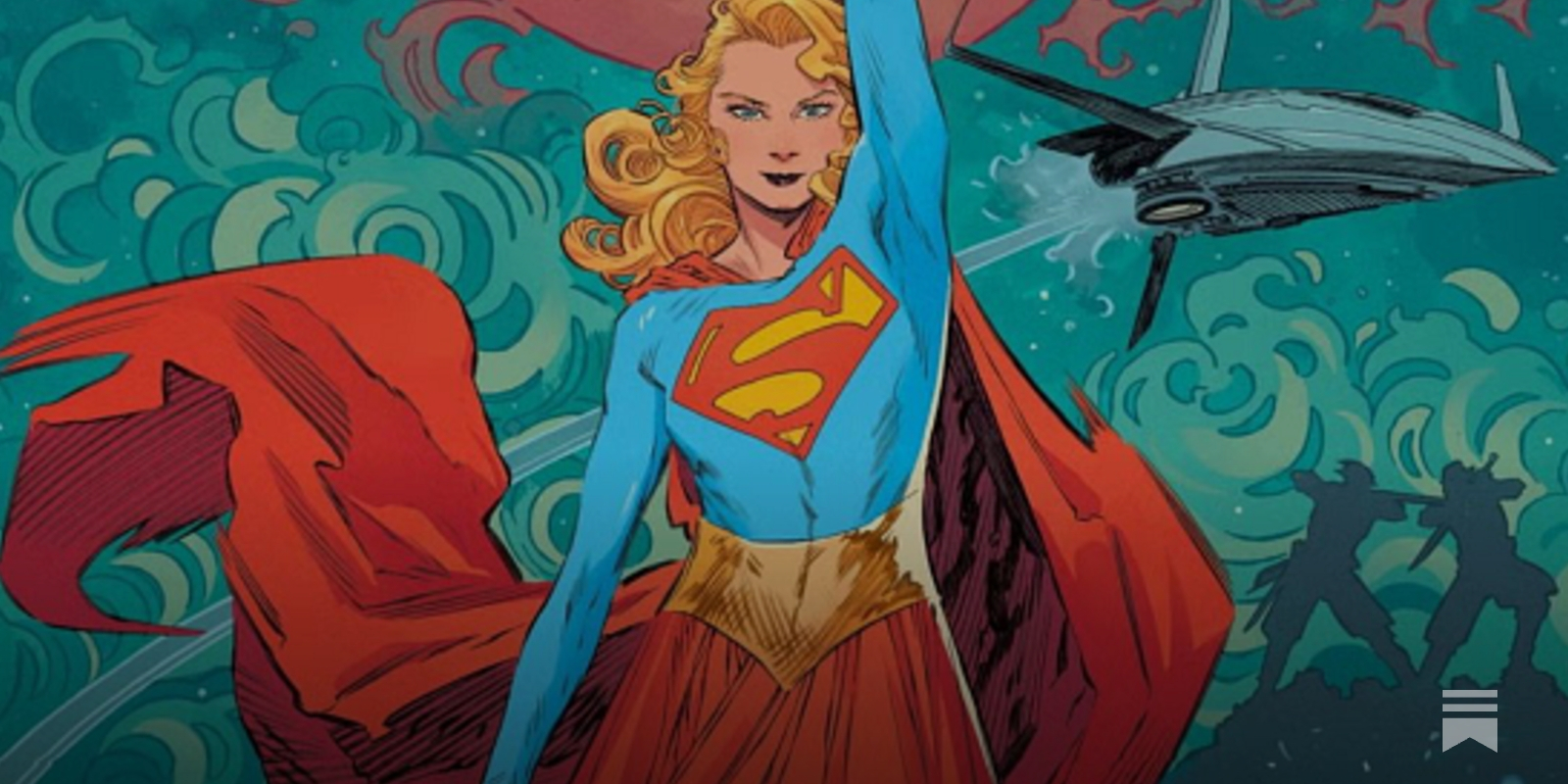 Read More